Understanding the Importance of the SSC and RACK Acronyms

BDSM is fun and includes some of the most advanced activities in terms of kink, without a doubt. However, as fun as it is, it can be both physically and mentally risky for participants. Therefore, the importance of safety measures for kink lovers cannot be emphasized enough.
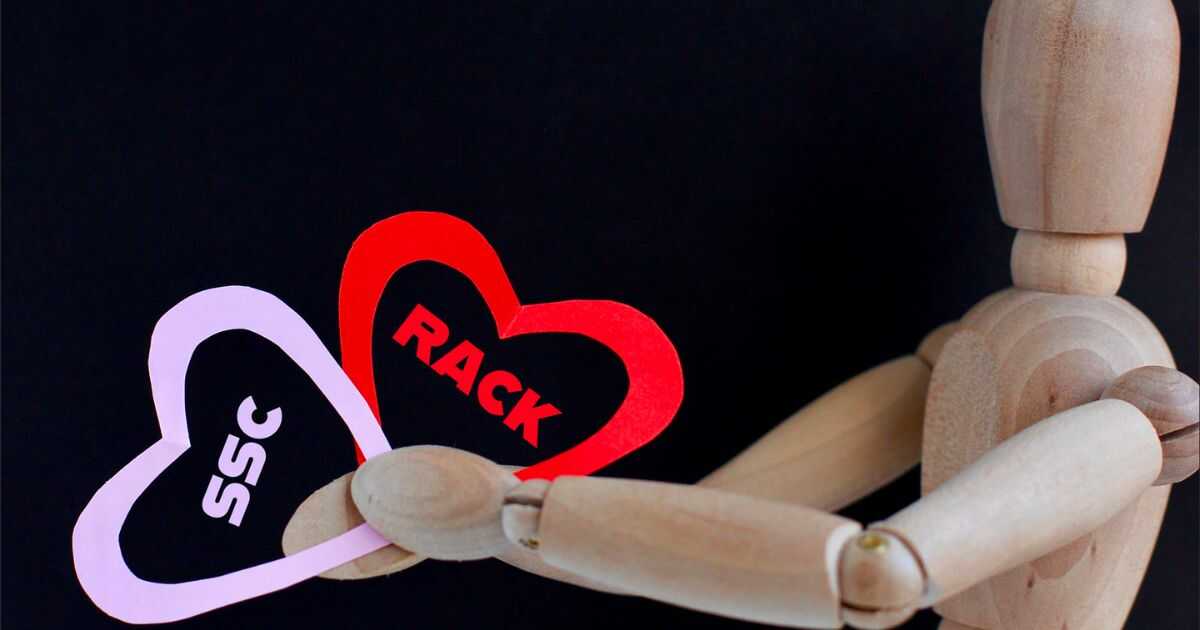
This is where the concepts of SSC and RACK come into play. Many people are already familiar with SSC. However, safety measures in BDSM go beyond that. Read this article to find out everything about these terms and why it is important to know them.
What Do SSC and RACK Mean?
SSC
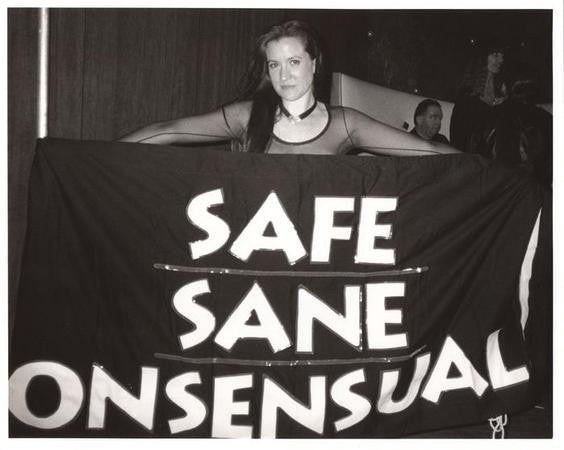
The history of SSC has its roots in the gay S/M scene of the 1980s, in reaction to concerns about consent within the community and in response to mainstream culture’s view that gay S/M was psychologically harmful and linked to violent crime.
The expression is said to have been coined by members of the Gay Male S/M Activists of New York (GMSMA). It was a combination of “consensual“, which many voices in the BDSM world of the time already championed, and “safe and sane“. The latter part of the acronym’s full meaning had its roots in the popular 4th of July saying, “Have a safe and sane Fourth of July”, and was championed by Tony DeBlase, a renowned BDSM educator and publisher.
SSC became the term used to describe how to keep your kink activities on the right track.
People who follow the SSC method of BDSM safety measures generally make sure to answer three questions:
- Is our kink activity safe?
- Is it a sane thing to do?
- Do we consent to it?
For SSC to work, both partners must establish what is safe and what is sane. This method works best when both partners are on the same page, feel the same way about certain kink activities, and share a similar ideology about kink.
A community member shares their opinion:
“In my opinion, ‘Safe, Sane and Consensual’ in a BDSM/Kink context is a misnomer, simply because (most, not all) BDSM/Kink activities are not safe, at least in the sense that nothing can truly go wrong. Bondage can go wrong and cause nerve damage, the same goes for severe impact play, the use of a bullwhip — and these are just the ‘basics’ of what can be undertaken in a BDSM/Kink relationship.”

Why Was the RACK Method Introduced?
Around the early 2000s, some members of the BDSM community identified shortcomings in the SSC method. Here are some of their reasons:
According to them, nothing in life is 100% safe, especially activities that can — and often do — involve injury. There is no “guaranteed safe method” for participating in certain BDSM activities. Furthermore, people have different points of view. What is “sane” to one person may be “insane” to another. The term cannot be generalised. The ever-evolving nature of people’s interests and limits makes the concept of SSC insufficient to describe a person’s expectations and boundaries within the BDSM community. The terms “safe” and “sane” are words that make BDSM seem ‘palatable’ in the eyes of those outside the community, but do not adequately represent BDSM for those who participate in it.
A community member shares their opinion:
“At some point, I think we must acknowledge that everything we do carries a degree of risk, and the trust and vulnerability that kink demands, by its very nature, will increase that risk.
However, despite these differences and limitations of SSC, the sensitive nature of the BDSM community demands that each person strive to understand the other, regardless of whether everyone’s limits and interests are aligned or not.
This is why the SSC method, which is heavily constrained by the differing opinions, interests and limitations within the community, is simply an inadequate description of what can be considered generally acceptable in the BDSM community.
With this in mind, the philosophy of Risk Aware Consensual Kink (RACK) was established within the community.”
What Does RACK Mean?
The acronym RACK stands for Risk-Aware Consensual Kink. It was created in response to those who felt that SSC was too vague, confusing and insufficient to capture the full range of opinions and interests of people in the BDSM community.
- Risk-Aware: RACK underlines that you must go beyond simply knowing the risks. You must know how to prevent them.
- Consensual: Everyone must agree and be comfortable with what you are about to do or what you are doing at that moment.
- Kink: The BDSM activity, power exchange, scene or play.
RACK answers questions such as: Which version of “safe” or “sane” are we concerned with? What happens if one partner believes something is sane but the other considers it irrational? Who wins that argument?
If you are new to RACK, use it as a checklist for your BDSM play: Can you name the risks? Are both of you able to affirm mutual consent? Do you fully understand exactly what event/activity is about to take place?
How Do SSC and RACK Work Together?
Among those who engage with the philosophies of “safe, sane and consensual”, there is always the misconception that people who practise BDSM must follow either the SSC method or the RACK method.
However, the reality is that they should and must be used together, as separate but complementary terms to describe the opinions, interests, ideologies and limitations of both partners.
The Importance of SSC and RACK Measures
Safe, Sane and Consensual (SSC) can only truly be followed by people who have first understood Risk-Aware Consensual Kink (RACK). This is because it is the awareness of the risks involved that will make a situation safe or dangerous, sane or insane. It is the communication and shared interests between partners that will create an atmosphere of consent and the pleasure of exploring kink.
We recommend approaching both measures in this way: whenever you step outside your comfort zones, RACK is a reliable guide. Then, once you become aware of and comfortable with a kink activity, it can transition into what you would consider safe, sane and consensual.
FAQs
Are there other BDSM safety measures besides SSC and RACK?
In addition to SSC and RACK, there is another BDSM safety measure called PRICK (Personal Responsibility, Informed, Consensual Kink). It underlines the need for all kink lovers to take personal responsibility for their kink.
What is the difference between SSC and RACK?
SSC means that activities are considered safe and sane by the parties involved. Whereas RACK means that it is a kink activity with risks that are known and accepted by both parties.
Conclusion
Understanding and accepting kinks that are not in line with one’s own remains one of the challenges of the BDSM community. Applying both SSC and RACK as safety measures goes a long way towards resolving this issue.For those looking to explore more specific aspects of BDSM, such as anal sex in a D/s relationship, our article “Starting Anal Sex in a BDSM Relationship” offers valuable advice and insights for a safe and satisfying experience. Good luck in your future BDSM endeavours.