How to manage conflicting emotions as a submissive

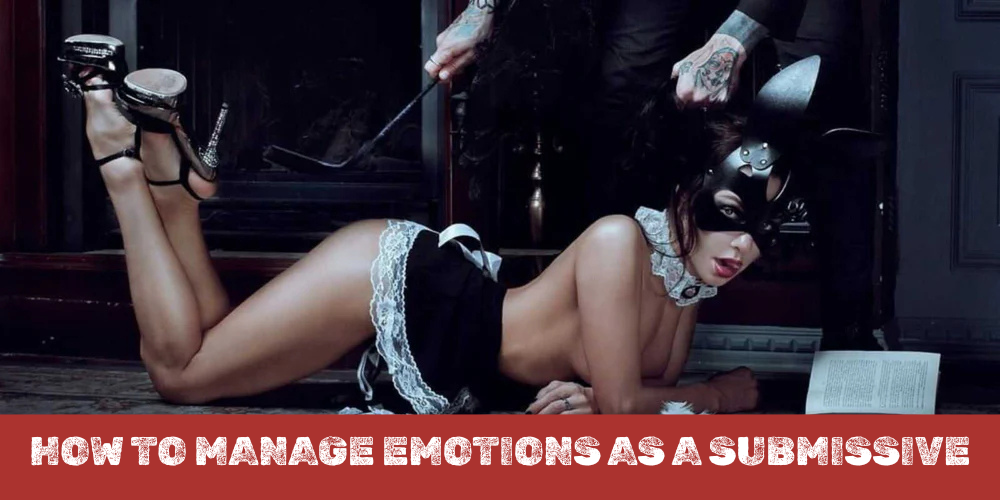
Although being submissive may be everything you have ever wanted in your bedroom, or perhaps in your entire life, that doesn’t mean there aren’t complicated feelings involved. After all, much of society tells us that many of our desires are wrong, that being submissive is a weakness, that the ideas we have are sick, and that you should always be “responsible” for your own decisions. To navigate these complex issues, you must do personal work that will allow you not only to be an excellent submissive for your Dominant, but also to appreciate your choice.
“Being in a D/s relationship is wrong”
Mainstream culture is a delicate place. There are often contradictory messages about what couples should do in their personal lives and about what we should do as individuals. You have likely been told or have inferred that a BDSM relationship is not something good. This can make the desire to be submissive feel difficult and confusing. After all, if you don’t follow through on what you want in your life, you may never reach the happiness you desire—and deserve.
To counter this social message, you can stop and ask yourself whether your relationship is harming you, your partner, or anyone else. Most likely, it is not. What people do in their bedroom (or in their dungeon) is their business alone. You don’t have to apologize, and you don’t have to feel like you’re doing something wrong. You simply like what you like, and others like what they like. Not everyone has to agree, and you can trust your personal choices.

(This shift in perspective can also help you limit the way you judge others as being wrong. After all, if you want someone to give you their blessing to do what you want to do, it’s only fair to do the same for others.)
“Being submissive means one is weak”
When you feel the need to be submissive in a BDSM relationship, you may wonder whether that means you are a weak person. But that feeling comes from the misunderstanding of those who do not practice BDSM. After all, those who don’t practice dominance and submission may view it as a simple power game that requires one person to be weak and the other strong. What they fail to understand is that there are many conversations and agreements about what will happen—and what will not.
- The submissive must be very strong in order to communicate their desires and their limits. If they don’t, they will be unable to experience the safe and consensual experience they desire. This is where BDSM accessories can come into play, helping to clearly define boundaries and intensify the experience. Furthermore, it is the submissive who must speak up when things are not unfolding as they wish during a scene. It is a show of strength to express yourself and say what you need, or to tell the Dominant to stop what they are doing.

2. At any given moment, a submissive will drop their protective walls and show themselves vulnerable to their Dominant. That is by no means an easy task. It takes a great deal of strength and courage to allow someone into your life in that way. In fact, submissives tend to be among the most courageous people in existence.
3. Many, if not most submissives, tend to hold highly demanding jobs in positions of power where they must make crucial decisions every day. That does not make them weak people—it makes them strong individuals who enjoy relinquishing their power for a moment of freedom. Balance within this dynamic is crucial, and deepening one’s training can be enormously beneficial. For those who want to take this dynamic even further, read our guide on “How to intensify your submissive’s training“. By allowing another person to make decisions, they can release control and quiet their mind after always having been in charge of their own life and that of others.
4. What people fail to understand is that the submissive is the one who holds the greatest part of the control in a BDSM relationship. While it is true that they may be “at the mercy” of the Dominant, that only happens because there have been numerous conversations and agreements before anything takes place. The submissive determines how, when, and where they are willing to submit, the activities they will participate in, and can bring any scene to an end at any moment. The Dominant works within the predefined limits of the submissive.
5. The submissive submits by choice, not out of obligation or weakness. Despite everything that may occur, it is the act of choosing to submit that makes their life choice so powerful and enriching.
“Only sick people are interested in BDSM.”
When a person takes an interest in activities that fall outside the norm, society tends to consider them sick, perverted, or mentally disturbed. Heaven forbid that different people have different interests and desires. For years, the Diagnostic and Statistical Manual of Mental Disorders (DSM) declared that anyone interested in BDSM was automatically subject to a diagnosis of mental disorder, which truly stigmatized every person who participated in such activities within society.
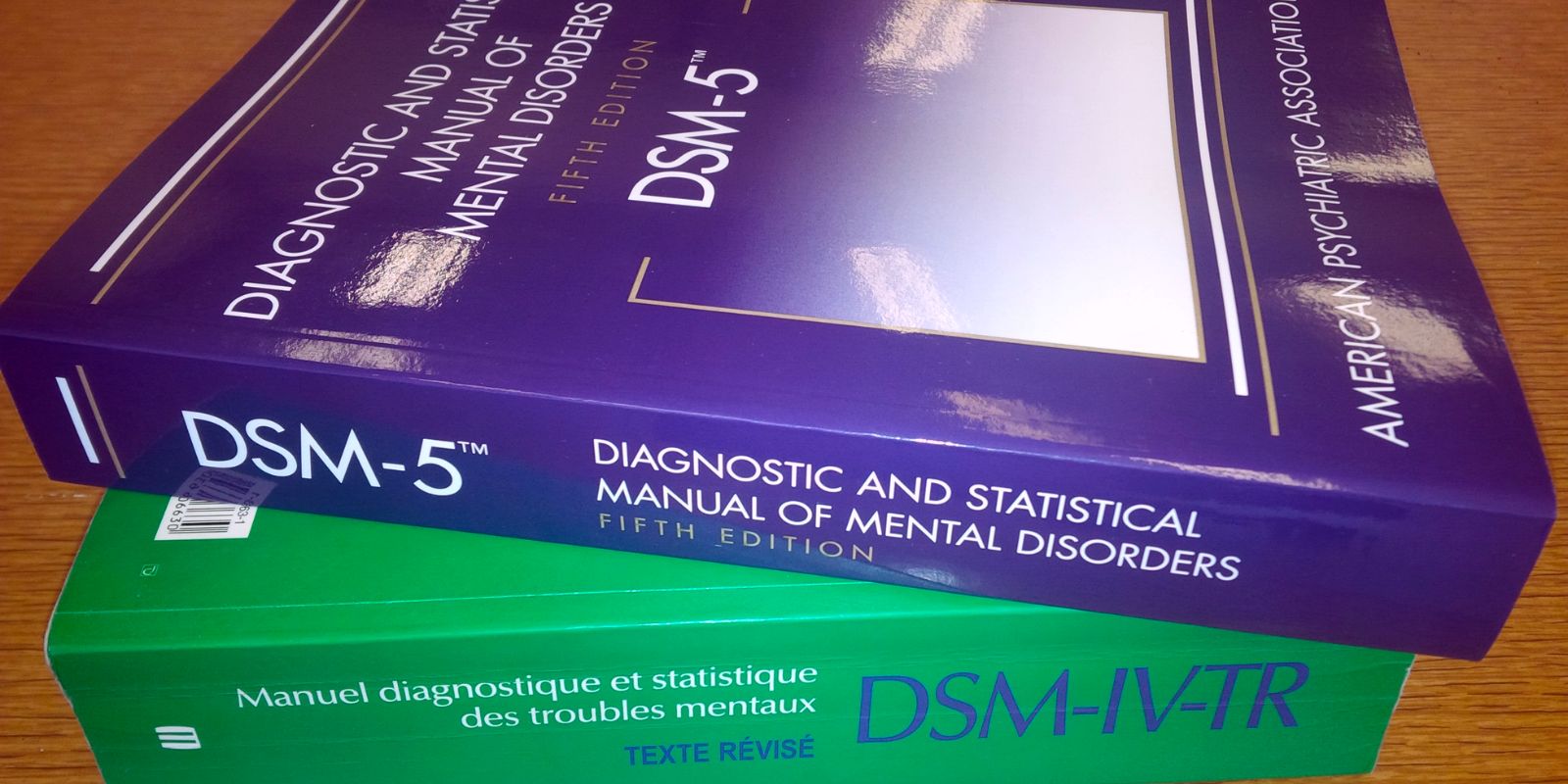
However, in the latest version of the DSM-V, the American Psychiatric Association removed BDSM and kinky sex from the list of indicators of mental disorders. Therefore, simply being interested in BDSM and submission does not in any way mean that one is sick or suffering from a mental illness. Unfortunately, most people in society are not familiar with the DSM or its revisions. All they know is what they were taught over many years, and so society will take a long time to catch on.
That said, “Fifty Shades of Grey” has sold over 100 million copies worldwide. It is therefore clear that far more people find BDSM secretly fascinating and are not nearly as sick as they openly claim. It can be helpful to learn more about the BDSM diagnosis in the DSM to help free your mind from your desires.

“A person must always make their own decisions”
Once again, misinformation about BDSM relationships leads (often) a new submissive to wonder whether they will be able to make their own decisions. After all, being human means you should always be in control of your own life, at all times. But doesn’t that sound exhausting? Doesn’t it sound impossible? A person must be capable of making their own decisions… and that can also mean relinquishing control to another person from time to time.
In a BDSM relationship, it is essential that agreements exist regarding the decisions the Dominant can make and those the submissive can make. But all of this is described in detail so that each person is completely satisfied with the final outcomes. Within this process, many decisions are made to ensure the relationship is safe and fulfilling.
There are certainly moments when the Dominant makes decisions the submissive did not anticipate. But that is part of the process and the shared trust between partners. And ultimately, the submissive can always make the decision to stop what is happening.
“Submissive people have no brain”
Many people think that submissive people are robots with no brain who obey everything and everyone. That is absolutely not the case. Submissives are highly selective about the person they choose to submit to, and agreements are established to determine the manner in which a submissive will serve. If you’re not sure, ask yourself this: do you always do what you’re told? Most likely, you do not.
The trait that is often mistaken for mindlessness is the fact that many submissives are happy trying to make those around them happy. A submissive may go above and beyond to help those around them. It is that extra effort that can appear strange in the eyes of others. For one person, setting aside certain things in their life to help others. In a self-centered society, it is a very puzzling life choice, and what people tend to do when they don’t understand something is criticize and belittle it.
What they don’t see is that it is the submissive person’s choice, and it is not for everyone nor for everything they desire. Did not Mahatma Gandhi say: “The best way to find yourself is to lose yourself in the service of others”? Would the world not be better if more people thought of others rather than themselves?
Accepting who you are
The emotional rollercoaster that BDSM relationships can be is often part of the thrill. It is fun and stimulating to navigate between consent and desire. But sometimes, incorporating SM accessories can enrich the experience and help clearly define roles and boundaries. However, there are emotions that arise and questions you may ask yourself along the way.

Here are some tips for dealing with the ups and downs:
- Communicate: When those feelings or concerns arise, the best thing to do is talk them through with your Dominant. This will help you both find solutions if the thoughts become problematic. This open communication will also help you understand what needs to be adjusted in your relationship to make it work even better.
- Keep a journal: Submissive people going through delicate emotions may find value in writing their feelings down in a journal to understand what is happening and to keep a record of the moments when those feelings seem to resurface most frequently. The submissive can also share their journal with their Dominant to show their growth and understanding.
- Return to what you want: Whether you are new to submission or have been fulfilling this role for some time, remember what you want when confusing emotions arise. Stop and think about what makes you happy and what makes you feel powerful in your life. If you are happy, that is what matters.
Emotions are complex, regardless of the type of relationship you have. But the more you try to work through them, stay focused on your thoughts and emotions, and understand where they come from, the more you will be able to work with them—rather than having those feelings work against you and against your relationship.
What conflicts have you encountered on your journey of submission? Have you managed to resolve them, and what did you do to achieve that? Feel free to share with us in the comments below.